

 wpapitest
Understanding the Odds
One of the most pervasive myths about casinos is that players can manipulate the odds in their favor through specific strategies or systems. Many believe that using betting strategies like the Martingale system, where you double your bet after each loss, guarantees a win. However, it’s essential to realize that each game has its own built-in house edge, which means that over time, payid pokies australia the casino is always at an advantage. No strategy can change the fundamental probabilities of the games.
Casino games such as slots, roulette, and blackjack are designed with odds that favor the house. For instance, a common misconception is that if a slot machine hasn’t paid out in a while, it’s “due” for a win. This belief stems from a misunderstanding of randomness and probability. Each spin on a slot machine is independent, and past results do not influence future outcomes. This reality can be frustrating for players hoping to “beat the system,” but accepting it is crucial for a responsible gaming experience.
Understanding the mathematical implications of casino games can help players make more informed decisions. While certain skills can enhance your play in strategy-based games like poker or blackjack, recognizing that luck plays a substantial role is vital. Ultimately, the myth that players can effectively control outcomes in games of chance needs to be debunked to avoid damaging financial consequences.
The Role of Skill in Casino Games
Another common myth is that all casino games rely solely on chance, with no element of skill involved. While it’s true that games like slots are purely luck-based, other games such as poker and blackjack require a significant level of strategy and skill. In poker, for example, understanding the nuances of the game, such as reading opponents or calculating pot odds, can provide a distinct advantage over less experienced players.
This misconception often leads new players to believe they can easily win at skill-based games without investing time in learning the strategies involved. For instance, while luck can favor a player in the short term, it is the seasoned strategists who tend to come out on top in the long run. Thus, the myth that all casino games offer the same opportunity for success regardless of skill level can mislead players into underestimating the importance of education and practice.
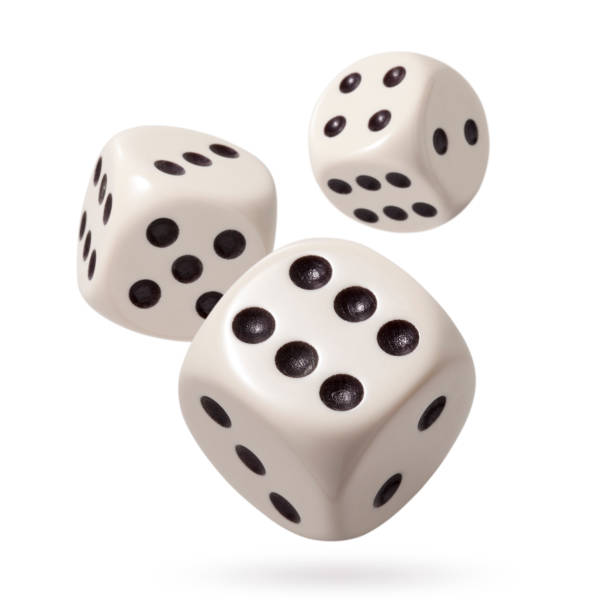
Moreover, understanding the skills required in games can enhance the overall playing experience. Engaging with games that require strategic thinking can turn gambling into a more intellectually stimulating challenge. Players who invest time in learning the ins and outs of these skill-based games often find themselves more prepared and more likely to enjoy the experience, bridging the gap between mere luck and calculated risk.
The Illusion of “Hot” and “Cold” Streaks
Many casino-goers fall victim to the idea that they can identify “hot” or “cold” streaks in games, particularly in table games like roulette or blackjack. This idea suggests that if a particular outcome has occurred frequently, it is likely to continue, or conversely, that an outcome that hasn’t occurred will soon appear. This phenomenon, known as the gambler’s fallacy, leads to flawed decision-making based on misinterpretation of random sequences.
For example, a player might observe that the color red has won several times in a row on a roulette table and may increase their bets on black, believing it has a higher chance of winning. This mindset ignores the fact that each spin of the roulette wheel is independent of previous outcomes, and the odds remain consistent regardless of prior results. Players can easily fall into this trap, often leading to increased losses fueled by misconceptions about randomness.
By embracing the understanding that each game outcome is independent, players can build a more effective strategy that doesn’t rely on faulty assumptions. Learning about probabilities and the nature of randomness can help mitigate the frustrations that often accompany losses tied to the gambler’s fallacy. Recognizing that luck is inherently volatile can also enhance one’s overall gaming experience by encouraging a more balanced approach to betting.
Payout Percentages and Their Misinterpretations
A widespread myth is that casinos advertise their payout percentages in a misleading manner. Many players believe that casinos with higher payouts are more favorable or that they can determine the best games to play based solely on these numbers. While payout percentages are indeed a useful metric, they are often misunderstood. The percentage is usually calculated based on long-term averages and does not guarantee that players will win those amounts in the short term.

For example, a slot machine may advertise a payout percentage of 95 percent. However, this figure is derived from the machine’s performance over thousands of spins and does not reflect the player’s experience in a single session. In reality, a player could experience several unsuccessful spins before seeing a payout, which can lead to frustration and disillusionment. Understanding that these percentages are not predictive of individual outcomes is critical in setting realistic expectations.
Furthermore, while higher payout percentages can indicate better long-term odds, they aren’t the only factor to consider when choosing a game. Other elements, such as volatility and game features, play a significant role in shaping each player’s experience. By examining games holistically and not just their payout percentages, players can make more informed decisions that lead to enjoyable gaming experiences.
Finding Reliable Resources and Support
In an era where information is readily available, players must navigate through an abundance of resources to uncover the truth about casinos. Many websites and articles can provide valuable insights into gaming myths and strategies but are often riddled with misinformation. It’s crucial for players to seek out reputable resources that prioritize accurate information about gaming odds, strategies, and responsible gaming practices.
Responsible gaming is paramount, and understanding the truth behind common myths can help players maintain a healthy relationship with gambling. Organizations dedicated to promoting responsible gaming provide resources and support for individuals who may be struggling with gambling addiction. By educating themselves and recognizing the signs of problematic behavior, players can ensure that gaming remains an enjoyable pastime rather than a harmful obsession.
Ultimately, finding reliable resources can empower players to make smarter choices and mitigate the risks associated with gambling. Websites that specialize in gaming education and advocate for responsible gambling practices can provide invaluable insights. Prioritizing well-researched information over sensationalized stories or myths can lead to a positive gaming experience for all players involved.